Geometric Patterns of the East: Embroidering Timeless Zellige Art
In the world of textile design, there is a constant tension between respecting heritage and embracing modern efficiency. We often struggle to find designs that feel authentic to ancient traditions but are formatted for contemporary production. This is where the machine embroidery design known as Geometric Patterns of the East bridges the gap. It is not merely a digital file; it is a digital translation of the "Zellige" mosaic tradition, featuring intricate Zakhrapha motifs that carry centuries of cultural weight. For designers, crafters, and entrepreneurs, this asset offers a way to infuse projects with a sense of history and sophisticated artistry without spending hours drafting complex geometry.
The Visual Language of Zellige and Zakhrapha
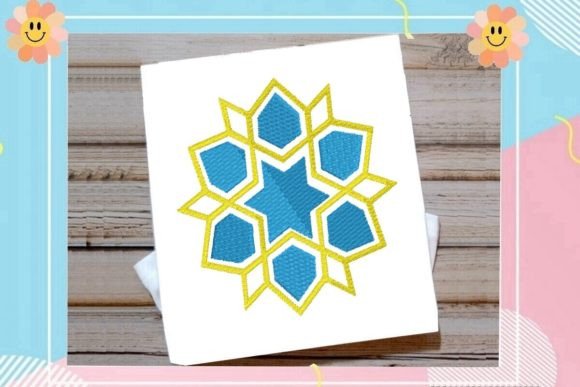
To understand the value of this design, one must look at its visual roots. Zellige is a form of Islamic art that involves creating geometric patterns from individually cut tiles. It is mathematical, precise, and deeply spiritual in its symmetry. Geometric Patterns of the East captures this essence perfectly. The design relies on interlocking shapes—stars, polygons, and tessellated lines—that create a seamless, rhythmic flow. This is not chaotic ornamentation; it is structured harmony.
The personality of this design is one of quiet sophistication. Unlike a bold, modern graphic print that demands immediate attention, Zellige patterns invite the viewer to look closer. The "Zakhrapha" elements add a layer of complexity, offering ornamental flourishes that soften the rigid geometry. The result is a visual texture that feels luxurious and grounded. It avoids the coldness that sometimes accompanies purely geometric digital art, replacing it with the warmth of handcrafted tradition. For the modern eye, it reads as "premium" and "curated," making it a powerful tool for anyone looking to elevate a project's aesthetic.
Practical Applications: From Fashion to Branding
The versatility of Geometric Patterns of the East is one of its strongest assets. In fashion and apparel, it moves beyond simple monograms. Imagine this pattern applied to the back of a denim jacket or the cuff of a linen shirt. It transforms a standard garment into a statement piece. Because it is a machine embroidery design, it translates beautifully onto various fabrics, from the weave of a cushion cover to the delicate surface of a sheet.
However, the applications extend far beyond personal crafting. For brand identity, this design offers a unique solution for businesses that want to project stability and culture. A boutique hotel, a high-end wellness brand, or an artisanal bakery could use this pattern within their visual identity. It works exceptionally well for packaging design—think of a textured background on a luxury box or a recurring motif on a tote bag. In editorial design and publishing, these geometric patterns can serve as sophisticated background textures or section dividers, adding depth to layouts without overpowering the typography.
Integrating Tradition with Modern Workflows
One of the practical challenges with intricate designs is adaptability. Geometric Patterns of the East solves this by providing multiple file formats, ensuring compatibility with various embroidery machines. This is crucial for small business owners who may be using different hardware for different scales of production. The design respects the user's workflow, allowing for a smooth transition from screen to stitch. It is designed to hold up at different scales, maintaining its integrity whether applied to a small pocket detail or a large wall hanging.
Strategic Design and Pairing Guidance
When working with a strong visual element like Geometric Patterns of the East, the surrounding design choices matter. Because the pattern is rich in detail, it pairs best with simplicity. If you are incorporating this into a layout or product design, consider using clean, sans-serif typography for accompanying text. A modern sans-serif provides a stark contrast to the ancient geometry, creating a dynamic visual hierarchy that feels fresh and intentional.
For color, the design allows for significant flexibility. Traditional Zellige often features blues, greens, and terracotta earth tones. However, executing this pattern in monochromatic thread—such as all gold or silver—can create a subtle, tone-on-tone texture that feels incredibly high-end. For entrepreneurs, this is a chance to align the design with specific brand palettes. The key is to test different thread weights and colors on scrap fabric to see how the light interacts with the stitch density.
Evaluating Fit and Commercial Potential
Before integrating Geometric Patterns of the East into a commercial line, it is worth evaluating the target audience. This design resonates strongly with consumers who appreciate global culture, artisanal quality, and bohemian luxury. It is perfect for "slow fashion" brands or home decor lines that emphasize craftsmanship. Because the design is available for commercial use, it opens the door for creating cohesive product lines—matching tote bags, aprons, and table linens that tell a visual story.
Ultimately, Geometric Patterns of the East is more than just a decorative asset; it is a bridge between the ancient art of tile-making and the modern maker's toolkit. It offers a way to add substance and meaning to digital projects, ensuring that the final product isn't just seen, but felt. Whether you are a hobbyist looking to personalize your space or a brand strategist building a visual world, this design provides a foundation of elegance and timelessness.