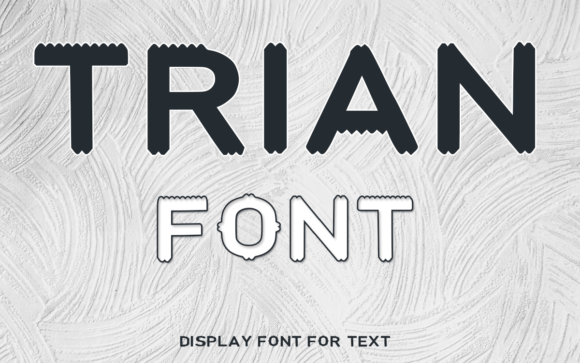
Old Fashioned Cocktail: A Typeface with Timeless Character
The Old Fashioned Cocktail typeface isn't just a collection of letters; it's a mood, a texture, and a direct line to a specific kind of aesthetic. It captures the essence of handcrafted quality and vintage authenticity that so many brands and creators strive for. If you've been searching for a creative font that feels both personal and polished, this premium font deserves a close look. It’s more than a display font; it’s a design asset with genuine personality.
Understanding the Visual Soul of Old Fashioned Cocktail
At its core, Old Fashioned Cocktail is a sophisticated serif font with strong, elegant strokes and distinctive, slightly irregular details that mimic the look of letterpress or hand-set type. Its visual characteristics are defined by a balanced contrast between thick and thin lines, giving it a rhythmic and inviting texture. The serifs are crisp but not overly sharp, contributing to a feeling of established tradition and craftsmanship. The overall personality is one of confident warmth—it feels approachable yet refined, nostalgic without being dated. This isn't a cold, geometric sans serif font or a flowing script font; it occupies a unique space that blends the authority of a serif with the charm of a handwritten font. Its style is versatile enough to feel at home on a premium whiskey label, a boutique hotel's stationery, or the masthead of a design-focused magazine.
The appeal of this typeface lies in its ability to convey quality and story instantly. It suggests that whatever it's labeling has been given thought and care. For designers and brand strategists, this is a powerful tool. Using Old Fashioned Cocktail in a logo design or on a website immediately sets a tone of authenticity and craftsmanship. It tells the audience that they're engaging with something that values tradition and detail. This makes it an excellent choice for projects where building trust and establishing a distinctive brand identity are paramount. The font’s inherent character does a lot of the heavy lifting in visual communication, reducing the need for excessive explanatory text or design elements.
Where Old Fashioned Cocktail Truly Shines
This premium font excels in applications where atmosphere and brand perception are key. Think of packaging design for artisanal goods—craft spirits, gourmet foods, or handmade cosmetics. The font’s textured quality aligns perfectly with products that have a story to tell about their origins and ingredients. It’s equally effective in editorial design, particularly for lifestyle magazines, book covers, or restaurant menus aiming for a classic, upscale feel. In the digital realm, it can be a standout choice for hero text on a website, provided the surrounding design is clean and allows its details to breathe. Social media graphics for brands in the food, beverage, travel, or heritage lifestyle sectors can use this font to create instantly recognizable and engaging visual content.
For small business owners and entrepreneurs, especially those in the creative or hospitality industries, Old Fashioned Cocktail can be a cornerstone of your brand identity. It works beautifully for signage, business cards, and promotional materials. However, its strength as a display font means it’s less suited for long blocks of body text. Its detailed serifs and moderate contrast, while beautiful at larger sizes, can reduce readability in small, dense paragraphs. The practical guidance here is simple: use it for headlines, logos, pull quotes, and short impactful statements. Pair it with a clean, highly legible sans serif font for body copy. This pairing creates a beautiful visual hierarchy, where the Old Fashioned Cocktail font draws the eye and establishes the mood, while the sans serif ensures effortless reading of the supporting information.
Making the Most of Your Investment
When you decide to integrate Old Fashioned Cocktail into your toolkit, a thoughtful approach will maximize its impact. First, always evaluate the project fit. Ask yourself if the font’s personality aligns with the message and audience. Is the project aiming for a vintage, artisanal, or classic modern vibe? If yes, you’re on the right track. Next, experiment with font pairing. A robust premium font like this often comes with a family of styles—perhaps different weights or an italic. Review what’s included. Does it have a bold weight for added emphasis? A regular weight for subheadings? Understanding these options gives you more flexibility in your design assets.
Testing is crucial. Mock up the font in your intended application. View it at the sizes you’ll use, on the intended media (a printed brochure looks different than a screen). Check the kerning and letter spacing in your specific text to ensure optimal readability. For commercial use, always verify the licensing. A reputable commercial font will provide clear licensing terms for different uses, such as desktop, web, or app embedding. This isn't just a legal formality; it's an ethical practice that supports the type designers who create these valuable tools. Using a font within its licensed parameters ensures your project remains professional and compliant.
Ultimately, a typeface like Old Fashioned Cocktail is more than just a design asset—it's a partner in storytelling. Its modern typography sensibility, rooted in classic forms, allows it to bridge the gap between heritage and contemporary appeal. By applying it thoughtfully to the right projects, you can significantly enhance readability through strong hierarchy, shape brand perception towards quality and authenticity, and engage your audience on a more emotional level. It’s a font that doesn’t just display words; it communicates a feeling. For designers, marketers, and creators looking to add depth and character to their work, it represents a worthwhile and versatile investment in the power of typographic expression.