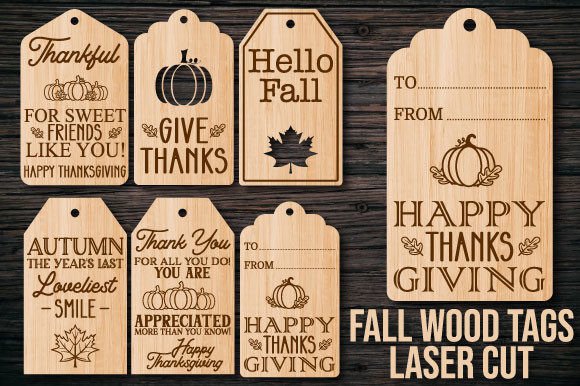
Fall Wood Tags SVG Laser Cut File for Autumn Projects
The crisp air and changing leaves signal a shift in creative projects, moving from summer brights to the warm, textured tones of autumn. For designers, crafters, and small business owners, this seasonal transition is a prime opportunity to refresh branding, packaging, and personal creations. A versatile design asset like the Fall Wood Tags SVG Laser Cut File provides an immediate, practical foundation for a wide range of projects, from rustic product labels to personalized gift tags. It’s a digital tool built for real-world application, offering a professional starting point that saves time and elevates the final product.
Understanding the Asset: More Than Just a Graphic
At its core, this package is a collection of vector and raster files specifically designed for cutting and engraving. The SVG, EPS, DXF, and PDF files are vector formats, meaning they can be scaled to any size without losing quality, which is essential for everything from a small jewelry tag to a large signage piece. The included PNG files are high-resolution, transparent images perfect for digital use in mockups, social media graphics, or print-on-demand designs. The visual character of these wood tags is inherently organic. They evoke a sense of handcrafted authenticity, warmth, and nostalgia, with a style that feels both timeless and on-trend for seasonal marketing.
The true value lies in its application across different creative fields. For a brand strategist, these tags can become a consistent visual element in a company's fall campaign, used on packaging design, thank you cards, and social media graphics to create a cohesive customer experience. A small business owner selling candles or artisanal foods can use the laser cut files to produce unique, tactile product tags that enhance perceived value and brand recognition. Bloggers and content creators can incorporate the tags into flat-lay photography or digital scrapbooking for a polished, autumnal aesthetic. The file formats ensure compatibility with most design software and cutting machines, making it a practical addition to any designer's toolkit.
Integrating Texture into Your Design Workflow
Working with a texture-based asset like wood tags requires a slightly different approach than choosing a premium font. The goal is to balance the organic, rustic feel with clarity and purpose. When using these tags for logo design or brand identity elements, consider them as a background or framing device rather than the primary text carrier. Pair them with clean, modern sans serif font styles for product information to ensure readability. The contrast between the rough wood texture and a smooth, geometric typeface creates visual interest and a clear visual hierarchy, guiding the viewer's eye effectively.
For editorial design or a seasonal catalog, these tags can serve as decorative bullet points or chapter markers, adding a tactile dimension to a printed page. In web design, the PNG files with transparent backgrounds are ideal for creating layered effects in hero images or blog post headers, adding depth without compromising page load speed. The key is to use them thoughtfully. Overusing texture can clutter a design, but strategically placed wood tags can anchor a composition, reinforce a seasonal theme, and make a design feel more intentional and professionally curated.
Practical Selection and Application Tips
Before diving into a project, evaluate the specific files included. The variety of formats—SVG for cut lines, PNG for quick digital use, EPS for vector editing—provides flexibility. Test how the designs look at different scales. A intricate tag might lose detail when reduced for a small sticker, while a simple shape might feel bare when enlarged for a poster. Always conduct a test cut or print on your intended material, whether it's cardstock, vinyl, or actual wood veneer, to ensure the design translates well from screen to physical object.
Font pairing is crucial when adding text to these tags. A script font or handwritten font can complement the casual, personal feel of a gift tag, but for commercial use where legibility is paramount, especially for pricing or ingredient lists, a straightforward serif font or sans serif font is more reliable. Consider the context: a tag for a high-end boutique might use elegant, spaced-out lettering, while one for a farm stand might use a bold, friendly typeface. This asset is a creative font in the sense that it's a foundational design asset, a starting point that you customize with your own typography, colors, and messages to fit your specific commercial font needs and project goals.
Remember, this is a digital download. Once purchased, you extract the ZIP file using a utility like WinZIP or WinRAR, and you have immediate access to all the files. This allows for rapid prototyping and iteration, which is invaluable in fast-paced environments like marketing campaigns or e-commerce product launches. While the files themselves cannot be resold, the physical items you create with them—whether tags, signage, or printed materials—are yours to sell and distribute. This makes it a scalable asset for entrepreneurs looking to add a professional, seasonal touch to their offerings without investing in custom graphic design from scratch.