Airplane Wood: Your New Favorite Display Font for Summer Projects
There's a specific feeling that comes with the best summer days—nostalgic, warm, and effortlessly cool. Capturing that vibe in a design project can be challenging, but the right typography can do the heavy lifting. Enter Airplane Wood, a creative font that channels the playful charm of vintage ice cream parlor signage. It’s not just a collection of letters; it’s a design asset built to inject personality and warmth into your work, making it a standout choice for projects that need a touch of genuine, heartfelt appeal.
More Than a Typeface: The Personality of Airplane Wood
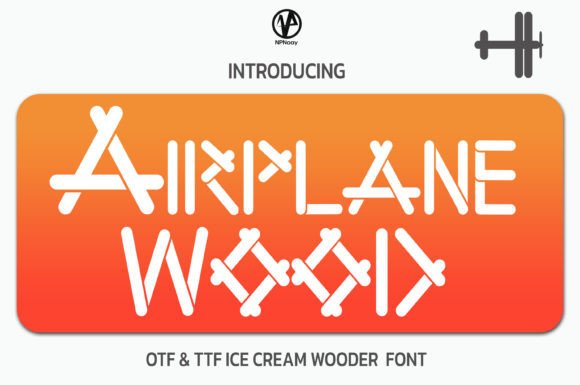
At its core, Airplane Wood is a colored display font. This means it’s designed for headlines, logos, and short bursts of text where visual impact is the primary goal, not long-form readability. Its character is defined by its woodblock-inspired forms, giving each letter a slightly textured, handcrafted appearance. The inherent style evokes a sense of nostalgia, reminiscent of classic carnival posters or the charming script on an old-fashioned ice cream cart. This personality makes it a powerful tool for creating an immediate emotional connection with your audience.
Unlike a clean sans serif font or a traditional serif font, Airplane Wood brings a distinct voice to the table. It’s warm, inviting, and carries a story. When you use this typeface, you’re not just setting a title; you’re establishing a mood. This makes it an exceptional choice for brand identity work for businesses that want to feel approachable and authentic, such as local bakeries, boutique ice cream shops, or artisanal craft brands. The font’s visual texture adds a layer of depth and realism that flat, digital fonts often lack.
Practical Applications: Where Airplane Wood Truly Shines
Understanding a font's personality is one thing, but knowing where to apply it is what separates good design from great design. Airplane Wood excels in contexts where you need to grab attention and convey a specific, friendly tone. Its strength lies in its ability to be the visual centerpiece of a project.
Digital Presence and Social Media
In the fast-scrolling world of social media, you have seconds to make an impression. Airplane Wood is perfect for creating eye-catching social media graphics. Use it for the title of a summer sale announcement, a headline for a new blog post about a local festival, or a call-to-action on an Instagram story. Its unique look will stop the scroll and make your content memorable. For bloggers and content creators, it can bring a cohesive, branded feel to YouTube thumbnails or Pinterest pins, especially for topics related to lifestyle, food, or travel.
Print and Packaging Design
This creative font translates beautifully to print. For entrepreneurs and small business owners, consider Airplane Wood for packaging design. It would look fantastic on a label for homemade jam, a box for artisanal chocolates, or the branding for a small-batch coffee roaster. It communicates care and craftsmanship. Similarly, it’s an excellent choice for stationery art, greeting cards, and invitations. Imagine a wedding invitation for a rustic barn celebration or a birthday party invite with a summer festival theme—Airplane Wood sets the perfect tone.
Branding and Logo Design
While it’s crucial to test any display font for logo design, Airplane Wood has the potential to create a highly recognizable and beloved brand mark. It’s best suited for businesses in the food, beverage, event, or lifestyle sectors. The key is to ensure the font’s playful nature aligns with the brand’s core message. A logo set in Airplane Wood tells customers to expect a fun, high-quality, and personal experience.
A Designer's Guide to Using Airplane Wood Effectively
As with any premium font, using Airplane Wood effectively requires a thoughtful approach. It’s a powerful tool, but it needs to be wielded with care to ensure your final design is both beautiful and functional.
Mastering Font Pairing
A display font like Airplane Wood rarely works well on its own for all text. The secret to a professional layout is smart font pairing. Because Airplane Wood is so distinctive, it needs a simpler partner to create balance and ensure readability for body copy. Pair it with a clean, neutral sans serif font like Lato, Montserrat, or Open Sans for paragraphs and smaller text. This contrast allows Airplane Wood to be the star of the show for headlines without overwhelming the entire design. Avoid pairing it with another highly stylized script font or a complex handwritten font, as this will create visual chaos.
Readability and Visual Hierarchy
Use Airplane Wood to establish a clear visual hierarchy. Its size and style should immediately tell the viewer what is most important. Reserve it for H1 and H2 headings, logos, or pull quotes. For anything longer than a short sentence, opt for your chosen secondary font. Always test your designs at the size they will be viewed. A headline that looks great on a large monitor might become illegible when viewed as a small social media graphic on a mobile phone. Good design is about clarity as much as it is about style.
Licensing and Project Fit
Before you start, always review the commercial licensing for any font you purchase. Ensure the license covers your intended use, whether it’s for a client project, merchandise for sale, or a personal blog. This is a critical step for any designer or business owner. Furthermore, honestly evaluate if the font is the right fit. Airplane Wood is a fantastic asset for a summer festival poster but would be the wrong choice for a corporate finance report. Its strength is its specificity, so lean into its personality for projects where that warm, nostalgic, and fun-loving vibe is exactly what you need to connect with your audience.