Wizard: A Vintage Display Font with Modern Grit
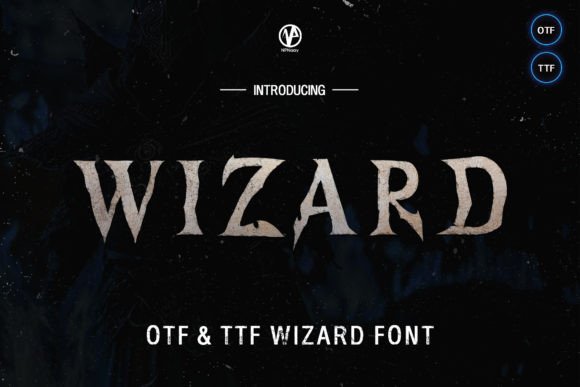
Every so often, a typeface comes along that feels less like a digital file and more like a discovery. Wizard is exactly that kind of find. It’s a vintage and grunge-distressed display font designed to inject immediate character, texture, and a sense of history into any creative project. Think of it as the typographic equivalent of a well-worn leather jacket or a classic vinyl record—full of personality and ready to make a statement.
At its core, Wizard is a display font, meaning its primary role is to command attention at larger sizes. Its visual DNA is a blend of vintage aesthetics and intentional imperfection. The letterforms are bold and confident, with a clear serif or sans-serif foundation that has been artfully weathered. You’ll notice subtle ink traps, uneven edges, and a textured surface that mimics the look of old printing blocks or screen-printed posters. This isn’t a font for body text; it’s for headlines, logos, and moments where you want your words to have tangible weight and presence.
Where Wizard Truly Shines: Real-World Applications
The true test of any creative asset is its versatility. Wizard excels in projects where you need to bridge the gap between nostalgia and contemporary edge. It’s a fantastic tool for brand identity work, especially for businesses that want to project authenticity, craftsmanship, or a rugged, independent spirit. Imagine it on the logo for a microbrewery, a craft coffee roaster, a bespoke furniture workshop, or an outdoor adventure brand. The texture adds a layer of credibility and story that a clean, modern typeface might lack.
Beyond logos, consider its power in packaging design. On a craft paper label or a matte-finish box, Wizard’s distressed details can make a product feel artisanal and premium. It works wonderfully for editorial design in magazines, book covers, or album art, setting a mood that’s instantly evocative. For social media graphics, it cuts through the digital noise, adding a tactile feel to promotional posts or story headers. Even for personal projects like wedding invitations, event posters, or t-shirt designs, it brings a unique, handmade quality.
Making It Work: Pairing, Readability, and Professional Use
Introducing a strong personality like Wizard into a design requires a thoughtful approach. The most important principle is contrast. Because Wizard is a display font with high visual impact, it needs to be balanced with a cleaner, more neutral companion for supporting text. A classic sans serif font like Helvetica, Futura, or a modern geometric sans often makes an ideal partner. For a different mood, pairing it with a simple, readable serif font can create a sophisticated, editorial look. Avoid pairing it with other highly stylized fonts like ornate script fonts or other heavy display faces, as this will create visual chaos.
Readability is paramount. Always use Wizard at a size where its texture enhances rather than obscures the letterforms. Test it at the intended viewing distance, whether on a billboard or a business card. Its inherent style means it’s not suited for long paragraphs, but for short, impactful phrases, it’s incredibly effective. When evaluating its fit for a project, ask yourself: does the mood of this font align with the brand’s core message? Does it help tell the story I want to tell?
From a practical standpoint, Wizard is a premium font, which means it comes with a commercial license. This is crucial for any professional work, ensuring you have the legal right to use it in client projects, products for sale, and commercial advertising. Review the included styles; often, such fonts come with alternate characters, ligatures, or multiple texture variations, giving you more creative control. Always download from a reputable foundry to ensure you receive all the necessary files and license documentation.
In the end, Wizard is more than just a set of letters. It’s a design asset that carries a specific vibe. Used intentionally, it can elevate a project from generic to memorable, helping to build a stronger, more recognizable brand identity. It’s a tool for designers, marketers, and creators who understand that sometimes, the most powerful communication comes with a bit of grit and a story baked right in.