The Calligraphy: A Modern Classic for Your Brand
More Than Just a Pretty Script
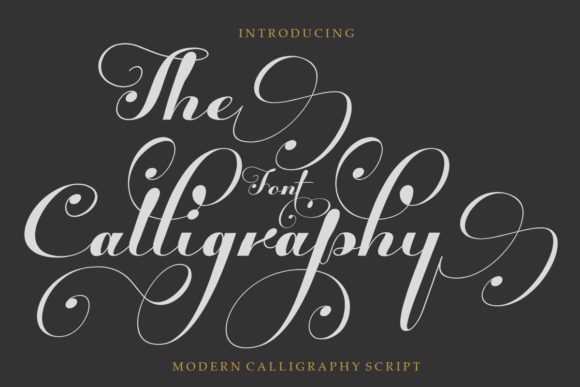
There’s a certain feeling you get when you see a design that feels both timeless and completely fresh. It’s not shouting for attention, but it commands it. That’s the space The Calligraphy font occupies. It’s not a dusty relic from a history book, nor is it a fleeting digital trend. Instead, it draws from the fluidity and grace of classic penmanship and filters it through a contemporary lens, creating a premium font that feels remarkably versatile.
At its heart, The Calligraphy is a script font defined by its impeccable form and balanced weight. The strokes aren’t so thin they disappear on a screen, nor so thick they overwhelm a page. This careful equilibrium is what gives it such broad appeal. It carries the elegance of a hand-lettered signature but with the consistency and precision required for professional projects. The personality here is one of refined confidence—it’s approachable, sophisticated, and inherently beautiful without trying too hard.
Where The Calligraphy Truly Shines
Understanding a font’s character is one thing; knowing where to deploy it is where the real value lies. The Calligraphy’s balanced nature makes it a surprisingly adaptable design asset. It’s a display font at its core, meaning it’s built to catch the eye in headlines, logos, and featured text. Think of the masthead for an upscale blog, the hero text on a landing page for a boutique hotel, or the title on a wedding invitation suite.
In brand identity work, it can be a secret weapon. For a small business owner in the wellness, beauty, or artisanal goods space, using The Calligraphy in their logo design instantly communicates a sense of care, craftsmanship, and personal touch. It tells the customer, “We pay attention to the details.” Similarly, in packaging design, it can elevate a product, making a candle, a jar of jam, or a box of chocolates feel like a luxury gift.
Digital applications are just as strong. As a creative font for social media graphics, it can stop the scroll. Imagine it used for a quote graphic on Instagram or a promotional banner for a podcast—it adds an immediate layer of professionalism and aesthetic appeal. For web design, it’s perfect for large headings or pull quotes, provided it’s paired correctly with a highly readable body font. The key is to use it where its details can be appreciated, not lost in a paragraph of small text.
The Practical Side: Pairing, Readability, and Licensing
Choosing a beautiful font is the easy part. Integrating it effectively into a cohesive design system is the craft. This is where practical considerations come into play, and where The Calligraphy’s design proves its worth.
Font Pairing is Everything: A script font like this rarely works well in isolation for extended content. The magic happens in the pairing. Because The Calligraphy has a contemporary feel, it pairs beautifully with clean, geometric sans serif font families. Imagine it alongside a font like Montserrat or Lato for body text—the contrast creates a clear and pleasing visual hierarchy. It can also work with a classic, understated serif font for a more traditional, editorial look. The goal is to let The Calligraphy be the star while its supporting cast ensures everything remains legible and organized.
Readability Considerations: While it’s a handwritten font in style, its clarity is a major strength. However, like any script typeface, context is king. Avoid using it for long blocks of body copy. Its strength is in short bursts—titles, subheads, names, and short phrases. At smaller sizes, test it rigorously on different screens and in print to ensure the beautiful details don’t turn into a blurry mess. Its modern typography construction helps, but due diligence is part of the designer’s job.
Unlocking Its Full Potential: One of the most practical features of The Calligraphy is that it is PUA encoded. For the non-technical, this simply means all the extra glyphs, swashes, and stylistic alternates are easily accessible. You don’t need advanced design software to use them. This is a huge advantage for entrepreneurs, bloggers, and crafters using platforms like Canva or even basic design tools. Those extra flourishes can transform a simple heading into a truly custom-looking piece of editorial design or a unique logo.
A Note on Licensing: As with any commercial font, it’s crucial to understand the license you’re purchasing. Most premium licenses cover a wide range of uses—from digital projects and websites to printed materials and merchandise sold by your business. However, if you plan to install it on a server for a web application or use it in a product for resale (like a template you sell), you may need an extended license. Always read the EULA (End User License Agreement) to ensure your use is covered. It’s a small step that protects your work and respects the font creator’s craft.
Ultimately, The Calligraphy is more than just another script typeface. It’s a versatile tool that, when used thoughtfully, can significantly enhance the professionalism and emotional resonance of a project. It bridges the gap between classic elegance and modern utility, making it a worthy addition to any designer’s or creator’s toolkit. Whether you’re building a brand from scratch, designing a marketing campaign, or creating personal stationery, it offers a reliable way to inject beauty and sophistication into your work.