Good Lashes, Good Mood: A Font That Captures Joyful Energy
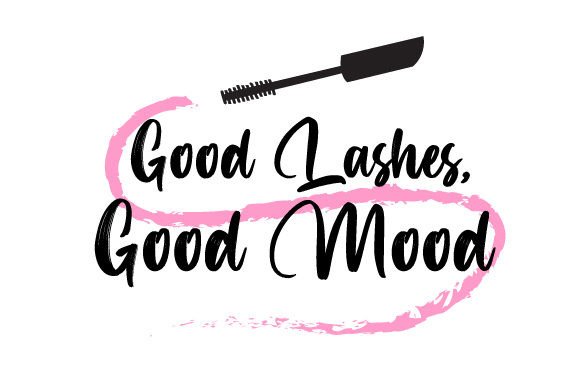
Some design assets do more than just display letters. They carry an emotion, a specific vibe that can instantly shift the tone of your entire project. Good Lashes, Good Mood is one of those typefaces. It’s a premium font with a distinct, playful personality that feels both modern and approachable. At its core, it’s a creative font that blends the casual elegance of a script font with the clean legibility of a modern typography staple. The letterforms feature smooth, flowing connections with a subtle bounce, giving text a rhythmic, optimistic quality. It’s not a formal serif font, nor is it a stark sans serif font. Instead, it occupies a unique space as a handwritten font that feels polished and intentional, making it far more versatile than many casual scripts.
Where This Typeface Truly Shines
Understanding a font’s personality is one thing; knowing where to deploy it is what makes it valuable. Good Lashes, Good Mood excels in projects where you want to inject warmth, friendliness, and a touch of handmade charm without sacrificing professionalism. Think beyond just logos. This display font is built for moments of connection. It’s perfect for creating compelling social media graphics that stop the scroll, crafting engaging headers for blog posts, or designing eye-catching quotes for digital planners. For packaging design, particularly for beauty products, boutique foods, or artisan goods, it communicates care and personality. It’s also a strong choice for editorial design, adding a dynamic headline to magazine layouts or book covers where you want to evoke a specific, uplifting mood.
Entrepreneurs and small business owners will find it particularly useful for building a cohesive brand identity. Used in a logo, on a website, and across marketing materials, it helps create a recognizable and consistent voice. The key is to match its energy to your audience. It speaks directly to adults who appreciate design with a human touch—think boutique shop owners, lifestyle bloggers, and creative service providers. However, its clean construction means it avoids looking juvenile, making it suitable for a broad demographic within the 20-50 age range.
The Practical Side: Pairing, Readability, and Licensing
A beautiful font is only useful if it works within your design system. Good Lashes, Good Mood is a premium font, and that usually means it comes with thoughtful details. Always review the included styles—does it have multiple weights? Does it include alternate characters or ligatures? These extras can add significant value and flexibility to your projects. When testing font pairing, its lively nature calls for a grounding companion. Pair it with a neutral, geometric sans serif font for body text. This contrast creates a clear visual hierarchy: the script font draws the eye for headlines, while the sans serif ensures easy reading for paragraphs. Avoid pairing it with another decorative or overly stylized typeface, as they will compete for attention.
Readability is a crucial consideration. While it’s designed for clarity, its script-like qualities mean it’s best used for short bursts of text: headlines, subheadings, logos, and calls to action. For long-form body copy or small digital text, always opt for a more traditional serif font or sans serif font. Test it at various sizes to ensure the letter connections remain clear. Before finalizing any commercial project, double-check the licensing terms. A good commercial font license should cover your intended use, whether for client work, merchandise, or digital products. This upfront diligence ensures your brand identity remains consistent and legally sound across all platforms.
Elevating Your Creative Projects
Ultimately, choosing a typeface like Good Lashes, Good Mood is about strategic storytelling. It’s a tool for shaping perception. The right creative font can make a brand feel more approachable, a blog post more engaging, or a product more desirable. It influences how your audience feels about your content before they even read the words. For designers and marketers, this means thinking of typography not as decoration, but as a core component of user experience and brand identity. By selecting a typeface that aligns with your project’s emotional core, you build stronger connections, enhance professionalism, and foster greater recognition. Let your next project capture that same joyful energy.